


The goal is maximizing the benefits of payment deferrals while ensuring timely payments that preserve vendor partnerships. Trade payables aren’t just about paying bills on time, they’re a strategic function that can impact cash flow, supplier relationships, and operational agility. Suppose ABC Company is an online t-shirt seller, which does the printing itself but purchases the t-shirts from its suppliers. As a result, it had limited funds to invest in other areas of the business. So, it approached one of its vendors, which has been supplying goods for over 3 years and asked for credit. So, from then on, whenever ABC made a purchase from the supplier, it incurred trade payables.

Application Management
You get to choose when the money goes out, giving you the flexibility to pay when you have cash on hand—so long as it aligns with your payment terms. Trade payables is credited, which, since it’s a liability, increases the outstanding balance. Having essential purchases on credit helps keep more normal balance cash within the business.
Why Tracking Trade Payables Is Significant for Businesses?
In simple terms, every credit purchase of the company is included in Trade Payables. But there is a time-based difference that classifies trade payables into long term and short term. Trade Payable is a sum that company owes to its vendors, third parties or suppliers. Company has to purchase raw materials and then deliver finished goods to its customers. In this whole process, the company purchases supplies and the payment is either done in cash or credit.

Cash Flow and Liquidity
Trade payables are amounts your business owes to suppliers for goods or services purchased on credit. Think of them as IOUs to your vendors – formal acknowledgments that you’ve received something of value and will pay for it within agreed terms, typically 30, 60, or 90 days. Trade payables meaning refers to the liabilities that arise when a business buys goods and services from their vendors or suppliers on credit. If businesses do not incur these short-term expenses, they cannot buy goods for their inventory without cash on hand or cash reserves. Moreover, recording these expenses properly is crucial for businesses to know the bottom line and estimate the profit trade payables margin. One must also remember that accounting for such liabilities enables firms to determine the cost incurred to do business.
- Managing cash flow becomes smoother when businesses track due payments, maintain enough cash for daily needs, and manage expenses effectively to support uninterrupted operations.
- When used responsibly, the benefits of trade payables tend to outweigh the risks.
- They represent a source of short-term financing that can help businesses manage their cash flow.
- Trade Payables are short-term debts that businesses owe to suppliers for goods and services received.
- RazorpayX harnesses the power of automation to manage payments to employees, vendors, refunds to customers and more.
- Trade payables are crucial for accurate cash flow forecasting since they represent known future cash outflows.
Accounts payable is the money owed to your creditors for purchases already made or received. Trade payable refers to money owed to your suppliers for goods purchased on credit which are directly involved in the supply chain. Both trade payable and accounts payable are short-term liabilities, with trade payable being a part of accounts payable.

Financial Close Solution
- Trade payables are amounts your business owes to suppliers for goods or services purchased on credit.
- However, in certain situations, the title to goods passes to the buyer before the physical delivery is taken by him.
- Trade payables can be used as a source of short-term financing for a business.
- With this technology, companies can ensure that payments are made on time, minimizing the risk of missed deadlines and maintaining strong vendor relationships.
- You can also reduce the likelihood of late payments by using accounts payable software to track all your upcoming payments.
Small expenses such as miscellaneous postage, out-of-pocket office supplies or company meeting lunch are handled as petty cash. AP often handles a supply of sales tax exemption certificates issued to managers to ensure qualifying business purchases don’t include sales tax expenses. While the business size ultimately determines the role accounts payable plays, AP fulfills at least three essential functions besides paying bills. They are treated as a liability for the company and can be found on the balance sheet.
Popular financing solutions like bank loans or working capital loans are expensive for suppliers in developing countries where credit is costly. Therefore, missing payments Cash Flow Statement and delay in payments to Trade payables can be another potential risk. But have you ever wondered if it is because of lack of operational management?
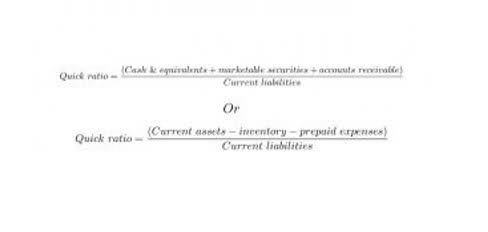
Because of its interests, the bank will assess the company’s financial performance, i.e., the current and quick ratio. However, 46% of respondents said they also worried about internal fraud. Bad actors can create fake vendors and route money through those accounts into their personal accounts.